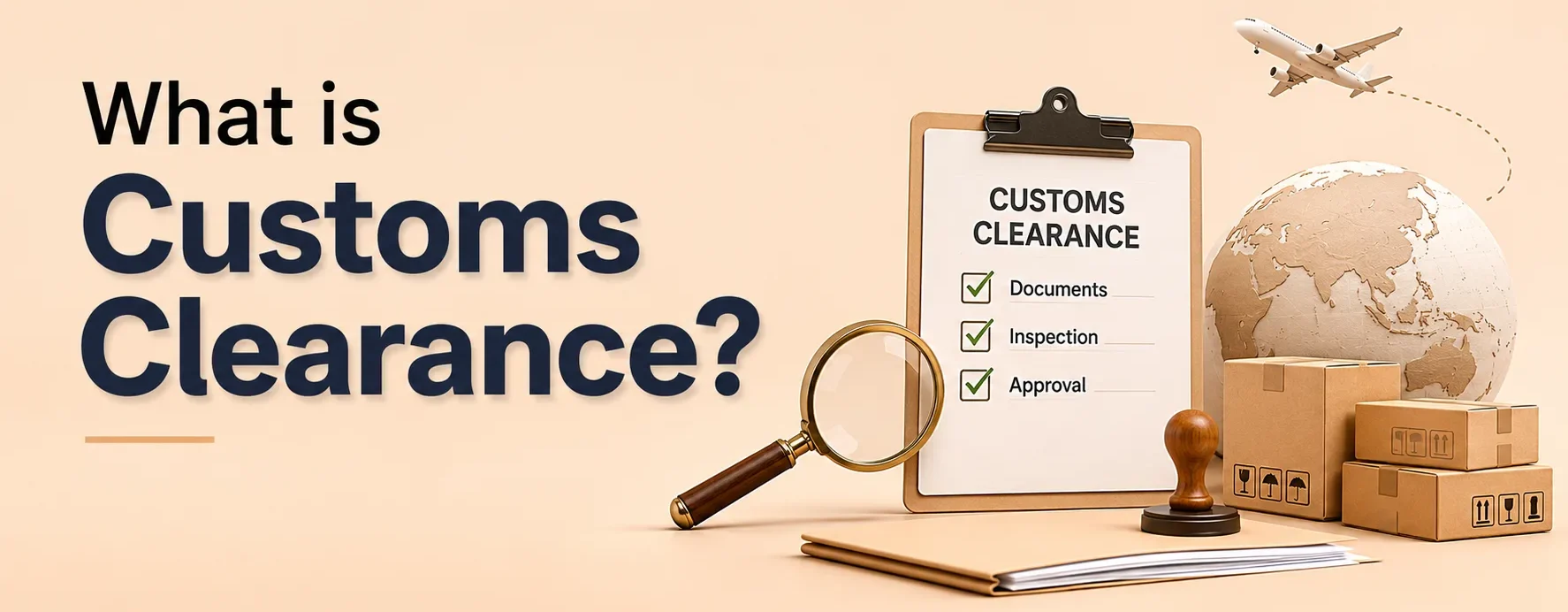
While answering the question, what is Customs Clearance, one needs to know that it is the legal process goods must undergo to enter or exit another country. In general, it ensures that the exporter/ importer files all necessary documentation. In addition, the goods meet the safety regulations.
Moreover, they have to pay applicable duties, tariffs, and taxes to the customs authorities. The customs officer checks the shipping documents. Then they verify the nature, value, and origin of the cargo. The customs calculate any applicable import/export duties, tariffs, and Value Added Tax (VAT) based on the goods. The importer or their broker must pay the assessed fees.
If the documents are incomplete or the goods require screening, the authorities physically inspect the cargo. After verifying everything, they issue an official release order, commonly known as “Out of Charge.” in India. Later, they will allow the goods to leave the port or terminal.
What documents are required for Customs Clearance
Well, it is the most commonly asked question at the customs. “What documents are required for Customs Clearance”? For convenient customs clearance, international shipments require a set of core documents.
- IEC Code: An Importer-Exporter Code (IEC) is a mandatory 10-digit identification number for importing or exporting goods/services. The DGFT, Ministry of Commerce, India, issues this code.
- Commercial invoice is a necessary legal document in international trade. A seller issues this for a buyer to confirm a sale and facilitate customs clearance.
- A Packing List is a mandatory, detailed document to itemize the contents of a shipment. This includes weight, volume, and packaging type for each item, box, or pallet.
- KYC (Know Your Customer) is a necessary, government process, for imports into India. It requires consignees to submit identification documents for customs clearance.
- Certificate of Origin certifies that goods in a shipment are wholly obtained, produced, manufactured, or processed in a particular country.
- Bill of Lading is a legal document in shipping like a receipt for cargo. It is a contract of carriage between the shipper and carrier, and a document of title.
One of the major issues businesses faces is when their shipments arrive at the port. Then they need to go through customs for clearance. The waiting period between the “arrived at customs” and “customs clearance completed” notifications may feel like a long time. This is because shipments’ delay happen for several reasons.
Falcon Freight can help you understand customs clearance by providing direct expert consultation. They will guide you through complex global trade procedures and pointing out potential cost-saving opportunities.
How long does customs clearance process usually take?
H3) How long does customs clearance process usually take? It is a common question since many people face at the customs department.” How long does customs clearance process usually take ”? In fact, Customs clearance takes anywhere from a few hours to 3 /4 days if all your paperwork is accurate after duties’ payment.
However, if the shipment asks for inspection, lacks documentation, or faces regulatory holds, the process will stretch to 1–2 weeks or longer. Once customs clearance is complete, all required duties and taxes settlement will happen. The government officials will release your shipment. The goods are then handed over to the local or domestic freight carrier for the final leg of the journey to the end destination.
- If wanted to know more about” customs clearance services : click here ↖

Conclusion
Customs clearance is the regulatory process of obtaining permission to move goods from government authorities across international borders. It ensures shipments comply with local laws, trade regulations, and safety standards.
Falcon experts gather and verify crucial documents—like the commercial invoice, packing list, and Certificate of Origin—to prevent fines and border delays.
For more information:
Phone No. :- +91 9311595648.
Email :- [email protected]