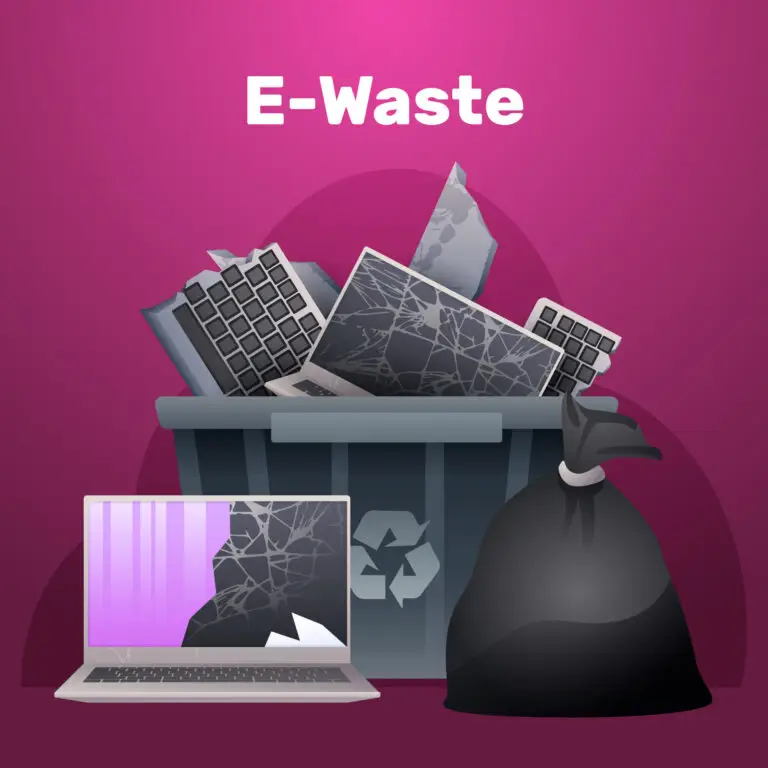
In this paragraph, you will learn about the EPR Certificate for E-Waste in India. Like most nations, India is progressing rapidly towards environmental sustainability, and e-waste management has become a critical focus. Compliance with Extended Producer Responsibility (EPR) is a mandatory part of this process. Under the EPR policy, manufacturers are responsible for handling post-consumer waste, especially electronic and electrical waste, throughout the entire product lifecycle.
This article provides definitive information on EPR compliance for e-waste in India. Continue reading for valuable tips for businesses to navigate the EPR landscape and ensure proper e-waste management.
What is Extended Producer Responsibility (EPR)?
Extended Producer Responsibility (EPR) is a policy. Producers, importers, and brand owners must pay for waste management after consumers use their products.
It acknowledges that producers should be responsible for the waste created during a product’s life. They significantly impact how their products are designed and packaged and what materials are used.
To learn more and get certified quickly, please get in touch with us now. Feel free to reach out for services of EPR Certificate for E-Waste in India. You can reach us at:
+91-9311595648 Or email us: cargodeal@falconfreight.com
Obligations of Producers, Importers, and Brand Owners
1. Manufacturers: In EPR, the primary responsibility falls on producers – manufacturers and product-branding individuals. They must use environmentally friendly materials, minimize waste output, and make products that can be recycled. Producers must set up waste-gathering systems. They should work with recycling plants. They must dispose of their products responsibly when they are no longer helpful.
2. Importers: The items that importers introduce into the country must comply with EPR regulations. They must register with the relevant regulatory agencies, provide information about the imported items, and implement waste management measures. Regarding recycling targets and reporting on waste management activities, importers are subject to the exact requirements as producers.
3. Brand Owners: Brand owners who do not manufacture the products but only put their brand names on them are also included under EPR. To meet their collective EPR responsibility, they must collaborate with manufacturers and importers. Brand owners must make sure that their products can be recycled. They also need a plan for sustainable end-of-life management.
Overview of E-Waste Management in India
E-waste management in India is a pressing environmental concern fueled by excessive consumption and fast-paced technological development. As one of the world’s most rapidly growing waste streams, e-waste is a significant challenge for the country. E-waste has many toxic parts. These can harm the environment and human health if not thrown away properly.
India produces vast quantities of e-waste annually, primarily from consumer electronics, IT equipment, and household appliances. The insufficient recycling and disposal infrastructure worsens the situation. The informal sector handles most e-waste. It often causes toxic materials to spill into the environment. To tackle these problems, the Indian government formulated the E-Waste (Management) Rules in 2016.
These rules aim to ensure the safe disposal of e-waste. They require electronic manufacturers to handle the waste from their products.
Current Statistics and Trends
India is the world’s third-largest e-waste producer. E-waste generation has increased exponentially in recent years. Recent statistics indicate India produces over three million metric tons of e-waste annually. This figure still rises as technology access increases in urban and rural regions. The rise in the consumption of personal electronic devices is an essential factor for this trend. Smartphones, tablets, laptops, and domestic appliances are the main drivers of the e-waste boom. Accelerated product life cycles and periodic technological advancements further add to the rising volumes of e-waste. Efforts to address such trends involve the creation of e-waste recycling plants and producer responsibility through EPR policies. Informal recycling, however, still prevails in the industry.
Challenges in E-Waste Management
EPR Guidelines for Pollution Control Measures
Extended Producer Responsibility (EPR) is essential for pollution control by making producers liable for the lifecycle of their products.
EPR focuses on minimizing waste and pollution through the sustainable design of products. EPR programs require producers to care for the environment. It includes their products from production to disposal, recycling, and waste management. In India, the EPR principle mainly aims at industries with high waste streams, including electronics and plastics. EPR regulations emphasize reducing the environmental impact through effective waste collection and treatment mechanisms. Producers must consider the cost of the environment. It pushes them to create products that are recyclable and sustainable. Strategies to improve pollution control with EPR include concerted government, industry, and civil society efforts. Such collaborations are expected to enhance compliance and green culture in different sectors. By adopting EPR effectively, India can minimize pollution, save natural resources, and ensure a sustainable future.
Legal Framework and Compliance Obligations
India’s EPR legislative framework is conceived to promote responsibility and environmental safety in industries. Some crucial laws define what producers must do. These include the Plastic Waste Management Rules (2016) and the E-Waste (Management) Rules (2016). These rules mandate industries to adopt waste minimization strategies and increase their recycling capacities. EPR compliance entails establishing structured waste collection and recycling mechanisms. Producers must register with authorities and provide comprehensive plans for dealing with waste from their products. Audits and reporting regularly ensure openness and compliance with specified goals. A penalty, such as an acceptable or legal proceeding, can be triggered by non-conformity to EPR mandates. These compliance duties inspire businesses to explore product design through innovation, emphasizing reuse and recyclability.
Circular Economy in India and EPR's Role
The circular economy aims to reduce waste and maximize resources by creating closed-loop systems. In India, a key pillar facilitating this model is EPR, which pushes industries towards sustainable production. EPR makes manufacturers change how they make and sell products. They focus on making items last longer and easier to recycle. Producers take ownership of post-consumer waste, thus bringing recycling and reuse into their processes. This transformation conserves valuable raw materials and lessens the dependence on new resources.
The circular process aligns economic development with environmental stewardship, encouraging innovation in waste management. EPR encourages industries to implement environmentally friendly technologies, hence inculcating circular values into the production stage. India can effectively tackle environmental degradation and resource constraints through EPR. In shifting towards a circular economy, India mitigates pollution and generates new economic prospects. Investing in circular practices allows India to achieve sustainable development objectives and improve its competitiveness on the global platform.
Impact on Resource Efficiency
EPR significantly increases resource efficiency through the optimization of material utilization across industries. EPR makes producers responsible for the entire product life cycle, encouraging them to use resources and energy more effectively. Firms plan products with minimal waste and emphasize readily recyclable or reusable materials. Efficiency in resource use saves costs, decreases the environmental footprint, and makes industries more sustainable. Manufacturers can reduce the cost of production and the amount of raw materials used using better product design. EPR spurs innovation in material science and engineering and fuels the creation of sustainable substitutes for conventional resources. EPR also helps create better waste management systems. Consequently, fewer wastes are sent to landfills. The focus on recycling and reuse assists in preserving natural resources and minimizing the environmental impact.
Benefits for Businesses and Consumers
EPR significantly increases resource efficiency through the optimization of material utilization across industries. EPR makes producers responsible for the entire product life cycle., encouraging them to use resources and energy more effectively. Firms plan products with minimal waste and emphasize readily recyclable or reusable materials. Efficiency in resource use saves costs, decreases the environmental footprint, and makes industries more sustainable. Manufacturers can reduce the cost of production and the amount of raw materials used using better product design. EPR promotes the establishment of effective waste management systems, which decrease the amount of waste going to landfills. By recycling and reusing, we conserve natural resources while minimizing our ecological impact.
Case Studies of Successful EPR Implementation
Several Indian businesses have successfully adopted EPR, highlighting its potential, viability, and applicability. These success stories provide lessons in overcoming challenges to EPR compliance. Various industries are participating, each making a distinctive contribution to reducing waste and optimizing resource use. These case studies illustrate the flexibility of EPR across various industries, highlighting its broad applicability. One such example is one of the prominent electronics brands in India.
The firm has established a strong take-back program, which has effectively collected and recycled used devices. Facilitating consumer awareness initiatives boosted response rates, leading to substantial waste minimisation. It enhanced their brand perception and raised consumer confidence and participation. A case in point is from the packaging industry. One of the largest beverage groups has joined regional recycling plants to collect and recycle used bottles. The joint effort has turned rubbish into new material, establishing a precedent for circular processes. The company’s openness regarding recycling processes further strengthened its corporate responsibility credentials.
Examples from Various Industries
In the fashion industry, a leading fashion brand has used recyclable materials in its fashion lines. By applying EPR principles, they create closed-loop systems, reducing textile waste. The company invests in research and development to identify sustainable fabric substitutes, providing environmentally friendly fashion choices to consumers. They have become a trendsetter in sustainable fashion in India. The motor vehicle industry offers similar examples. One major vehicle manufacturer has pursued an EPR policy based on recycling end-of-life vehicles. By partnering with approved dismantlers, they recover and recycle vehicle parts safely. This stops environmental damage and recovers valuable metals, aligning with EPR’s resource efficiency goal. EPR practices in the electronics, packaging, textile, and automotive industries showcase various approaches to implementation. Each sector adapts EPR to meet particular operational and waste management requirements. These cases show the adaptability and efficacy of EPR when implemented innovatively across different supply chains and business models.
Conclusion and Future Outlook
Extended Producer Responsibility (EPR) has shown considerable promise for the revolutionization of waste management in India. It provides a scientific method of lowering the environmental footprint and encouraging sustainability. All stakeholders, including businesses, consumers, and policymakers, have vital roles to play in its success. EPR fosters innovation and responsibility, resulting in sustainable behaviour across industries. The destiny of EPR in India hinges on strategic cooperation and regulatory change. With more stakeholders valuing it increasingly, EPR will expand and push substantial environmental impact. Ongoing learning and evolving from practical case studies will boost its effect.
Upcoming Regulations and Initiatives
The government of India is actively pursuing the reinforcement of EPR regulations. New policies will aim to improve compliance and efficacy in waste management. Future measures will probably involve increased penalties and incentives for environmentally friendly practices. Greater cooperation with private entities and local organizations is anticipated. These reforms will make enforcement more straightforward and wide-reaching, leading to greater EPR adoption.
The Road Ahead for EPR in India
For the future, EPR in India has great promise. Focus on technology and innovation will increase waste management effectiveness. A collaborative approach from consumers, industries, and regulators is essential. Ongoing education and awareness will enhance public backing for EPR programs. India’s changing policies show its commitment to sustainability. It will help create a greener and cleaner future. If you want to learn more and get certified as soon as possible, please contact us. We are happy to assist you with Extended Producer Responsibility in India. For more information, please get in touch with us at:- +91-9311595648 Or email us: cargodeal@falconfreight.com