How India is Transforming Green Shipping in 2026
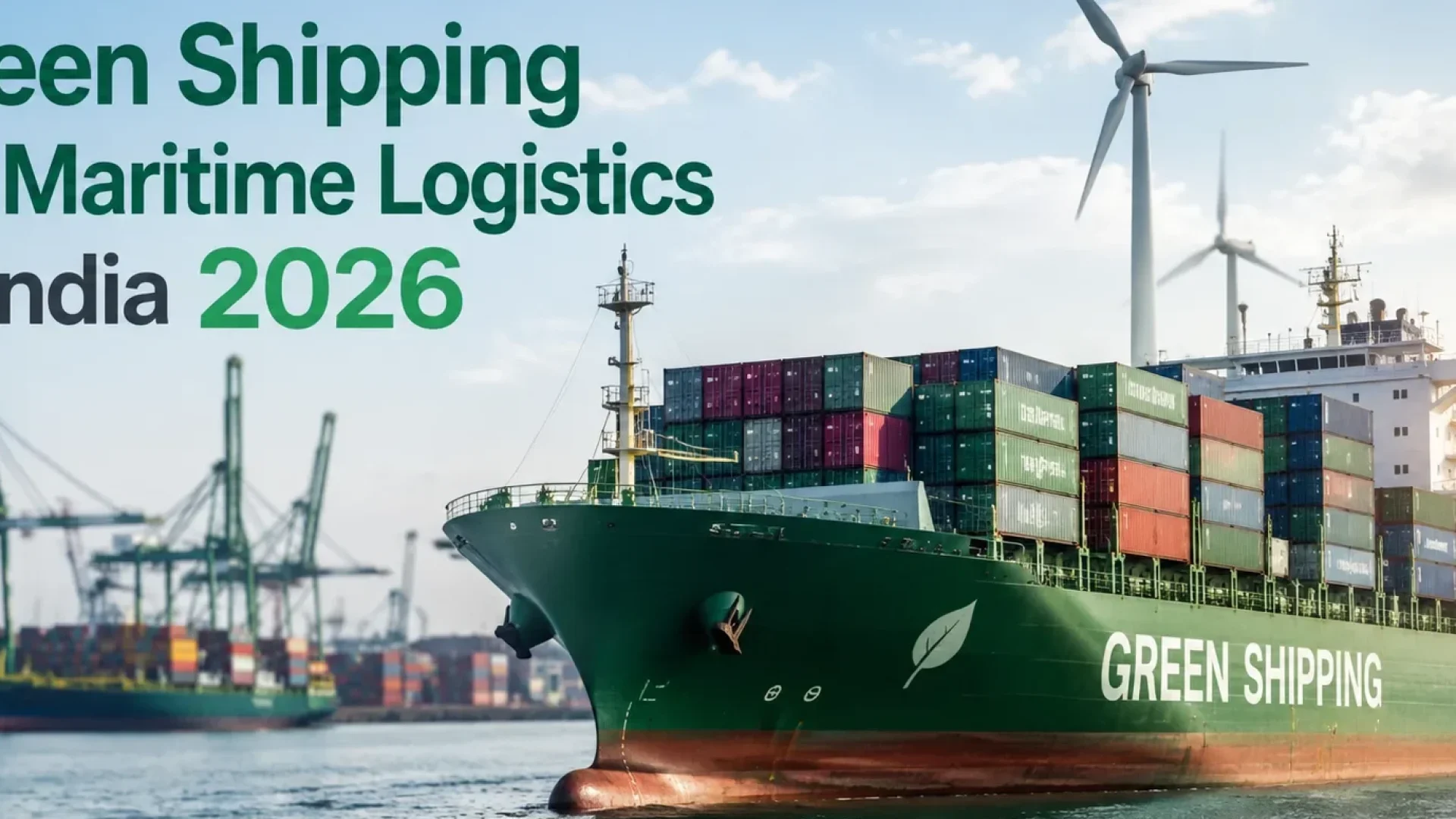
The Green Shipping and Maritime Logistics in India 2026 has a strong focus on achieving net-zero emissions by 2050. Furthermore, how India is transforming green shipping in 2026 can be clearly seen through key policy-driven initiatives and infrastructure upgrades. The crucial drivers include the National Green Shipping Policy, which has enhanced subsidies of up to 30% for constructing green vessels. In addition, the government has introduced a strategy to expand operations across 20 new national waterways. In this way, India is steadily moving toward decarbonizing freight and building a more sustainable maritime logistics ecosystem.
Shipbuilding Financial Assistance:
Financial assistance of 25%–30% is provided by the government for the construction of green, hybrid, or specialized vessels, subject to domestic value addition requirements being met. “Green vessels” are defined as commercial ships and boats designed to minimize carbon emissions. Energy conservation is ensured over the long term, and eco-friendly technologies such as green hydrogen, ammonia, and hybrid solar-wind systems are used.
In the case of hybrid vessels, conventional combustion engines (usually diesel) are combined with rechargeable battery systems. Power delivery is optimized, and fuel consumption is reduced by up to 45%. Power requirements are dynamically balanced between the main engine and the battery system.
Green ports initiative: Eco-friendly shipping
Green Ports & Eco- friendly Shipping Infrastructure are adopting renewable energy (solar/wind) as fuels. Furthermore, they are implementing shore-to-ship power for idle vessels, and electrifying cargo-handling equipment. These are done through the Sagarmala Programme. Likewise, shore power is used for supplying a vessel in port with electricity from the shore instead of generating power onboard.
Additionally, shore power solutions are essential for helping maritime operations more sustainable. Green ports initiatives designs reduce the environmental footprint of maritime hubs and shipping.
Furthermore, these programs focus on reducing carbon emissions, improving air and water quality. They promote renewable energy, eco-friendly fuels, and waste management.
Falcon Freight helps businesses achieve their sustainability goals in 2026 through AI-driven route optimization, supply chain digitization, and multimodal transport planning. Moreover, they assist in reducing carbon footprint. Moreover, they maintain cost-effectiveness across ocean, air, and land freight.
Green hydrogen shipping